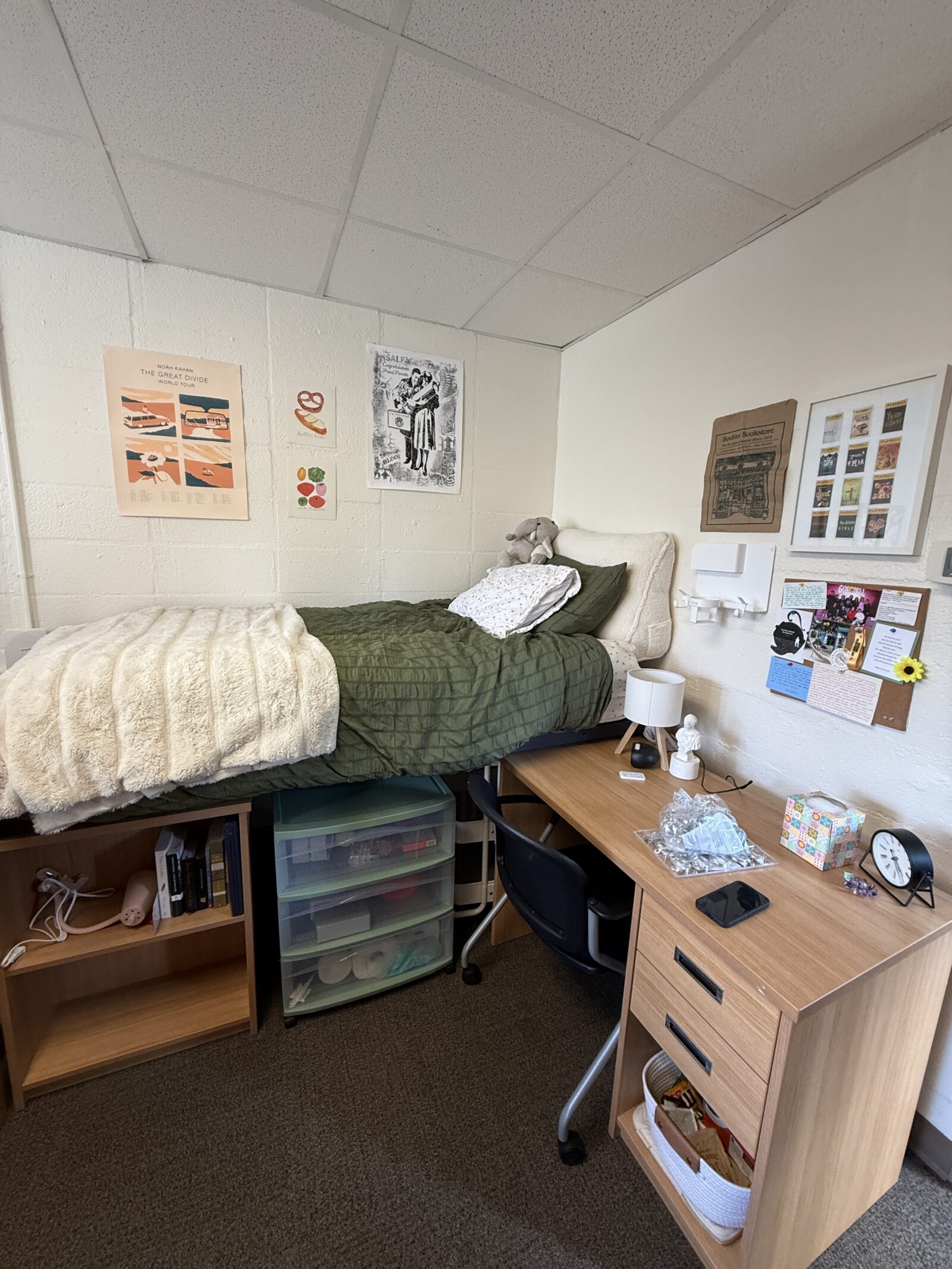
Moving a college student across the country is no small undertaking. A lot of college forums offer advice geared towards families who plan to drive. Because we were flying, we knew we needed to be strategic.
We weren’t going to be able to fit everything she needed into a couple of suitcases and simply check them at the airport. We also didn’t want to make the move more complicated or more expensive than it needed to be.
After moving our daughter from San Diego to Washington, DC and living to tell the tale, here are a few things we did that made the cross-country college move much more manageable.
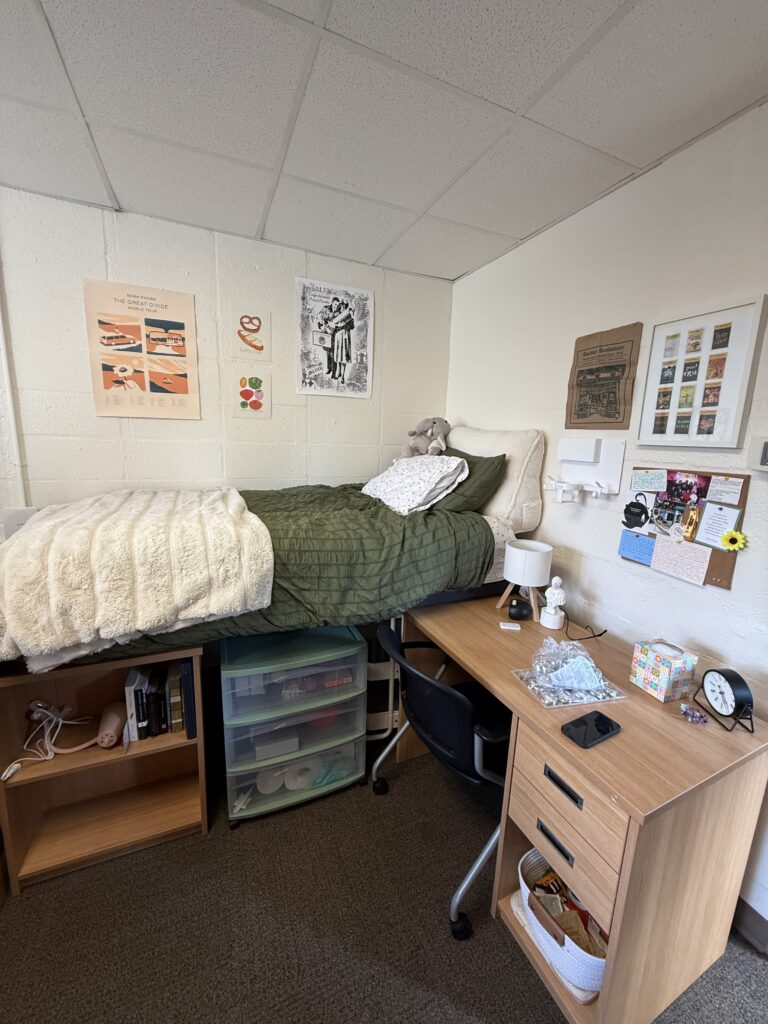
1. Ship Boxes to Your Hotel
One of the most helpful choices we made was shipping some of her stuff rather than trying to fly with everything.
Our daughter’s university allows students to ship boxes in advance, but we wanted to avoid the chaos of long lines of people who also needed to pick up boxes. Instead, we were able to ship boxes directly to our hotel.
We focused on packing the bulkier items she would need, like a mattress pad and coffee maker, since those items would take up a lot of room in a suitcase or duffel bag.
This saved us from wasting space with awkward or heavy items. It also meant that when we arrived in DC, we already had some of the essentials waiting for us.
Before you ship anything, check with your hotel.
This is an important one: don’t assume your hotel will accept packages for you!
Before sending anything, contact the hotel and ask:
- Whether they accept guest packages
- How far in advance they’ll hold them
- Whether there is a package-handling fee
- Exactly how the package should be addressed
Our hotel allowed us to ship our boxes at no charge. When we checked in, the boxes were waiting for us to take to our room.
Add an AirTag to give you peace of mind.
We put an AirTag in one of the boxes so we could keep an eye on its progress across the country.
Keep in mind that AirTags use local phones to ping their location so if your AirTag isn’t registering a location, there’s no need to panic!
2. Check Large Bags on the Plane
For everything we didn’t ship, we checked bags with the airline.
We packed one large suitcase and two large duffel bags with clothes, bedding, and other necessities and paid to check them when we flew from San Diego to DC. We each took a carry-on with clothes and toiletries we needed immediately.
You’ll want to wash all bedding before use, and it’s much easier to do this at home so you aren’t forced to use the dorm laundry right away. (See the next tip for packing bedding – it was a lifesaver!)
Choose luggage that’s easy to carry
One thing I’d recommend is looking for large duffel bags that have backpack straps. We bought the popular Amazon bags that you see on every college moving forum, but we made sure to get them with straps for easier carrying.
When you’re moving into a dorm, you’re likely juggling luggage, boxes, backpacks, and whatever else you’ve accumulated along the way. Being able to throw a duffel onto your back instead of dragging or carrying it is much easier, especially if it’s heavy.
3. We Used Vacuum Bags for Bedding
Bedding is one of the most essential items for giving your college student a cozy place to live in a dorm room that resembles a prison cell at first glance. But it also takes up a lot of space. Pillows, comforters, mattress covers, and other bulky items can quickly fill an entire suitcase or duffel bag.
Vacuum bags to the rescue!
These inexpensive bags compress bulky bedding down to a fraction of its original size, making it much easier to fit. Instead of trying to squeeze an entire comforter into an already-packed bag, you just vacuum the air out, creating a compact package that fits easily.
Another bonus? The bags are reusable. When our daughter moves out of her dorm at the end of the school year, she can use them to pack and store her bedding.
If you’re trying to maximize every inch of luggage space, vacuum bags are an inexpensive addition to your shopping list.
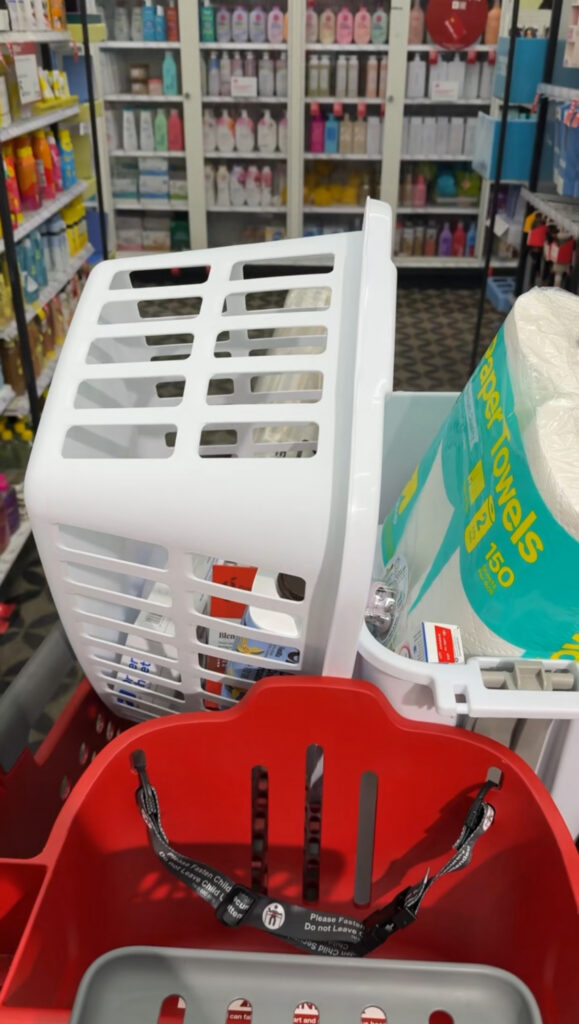
4. We Placed a Pickup Order at the Local Target
Some things were too big to ship, like the very popular storage drawers that every college student in America seems to be putting under their dorm bed. We also wanted an angled pillow instead of a headboard.
Target allows you to place pickup orders up to three days in advance, so we placed an order at the store closest to campus. Once we got to DC, we picked up those items while we did an in-person shopping trip for toiletries and cleaning supplies.
The storage drawers sold out in the size we wanted so the pickup order was a big help.
5. We Brought Tools to Assemble Items On-Site
A lot of college forums recommend assembling items before you leave home to save time during the move-in process.
That’s great advice if you can put everything in the car, but if you’re flying, it’s a lot easier to ship those items in their original packaging.
We packed some basic tools and assembled everything once we got there. Dad found a little spot to post up in the hallway and worked on the IKEA rolling cart, a desk lamp, and a wall caddy.
My advice: bring a small toolkit and plan to assemble things at the destination.
BONUS TIP: Keep an Inventory List
Make a list of the contents of each box and bag. Take a photo of each list and then put the inventory list on the inside cover of the box or in the bag. If a box or bag gets lost during travel, you’ll know exactly what’s missing. Not only does that help with compensation for the lost items, but you’ll also know what needs to be replaced.
Our Cross-Country College Move Strategy
Moving into a college across the country adds some challenges, but with planning and strategy, you can make it work.
For more tips, check out this post on easy organization hacks to make the most of any space.
One unexpected benefit is that you’re a little more limited in how much you can take. While this might seem like a negative, space is at a premium, and every additional box or bag costs money. It helps to remember that whatever you move in also needs to move out at the end of the school year. The more stuff you have, the more you have to take home or potentially store for the following year.
Note: This post contains affiliate links. I may receive compensation when readers buy items from those links at no additional cost to the consumer.